

A Living Tribute
Blog
Recent Posts
-
 Read More
-
39.34691, -120.086677
(Truckee sugar pine restoration)
An acre of sugar pine seedlings resistant to white pine blister rust have been planted in Truckee (a town nestled in the Tahoe National Forest) to restore this majestic native species and overall forest health.
-
39.057554, -120.120969
(Sugar Pine Point State Park)
An acre of sugar pine seedlings resistant to white pine blister rust have been planted in Sugar Pine Point State Park to restore this majestic native species and overall forest health.
-
38.802273, -120.080917
(Caldor Fire restoration area)
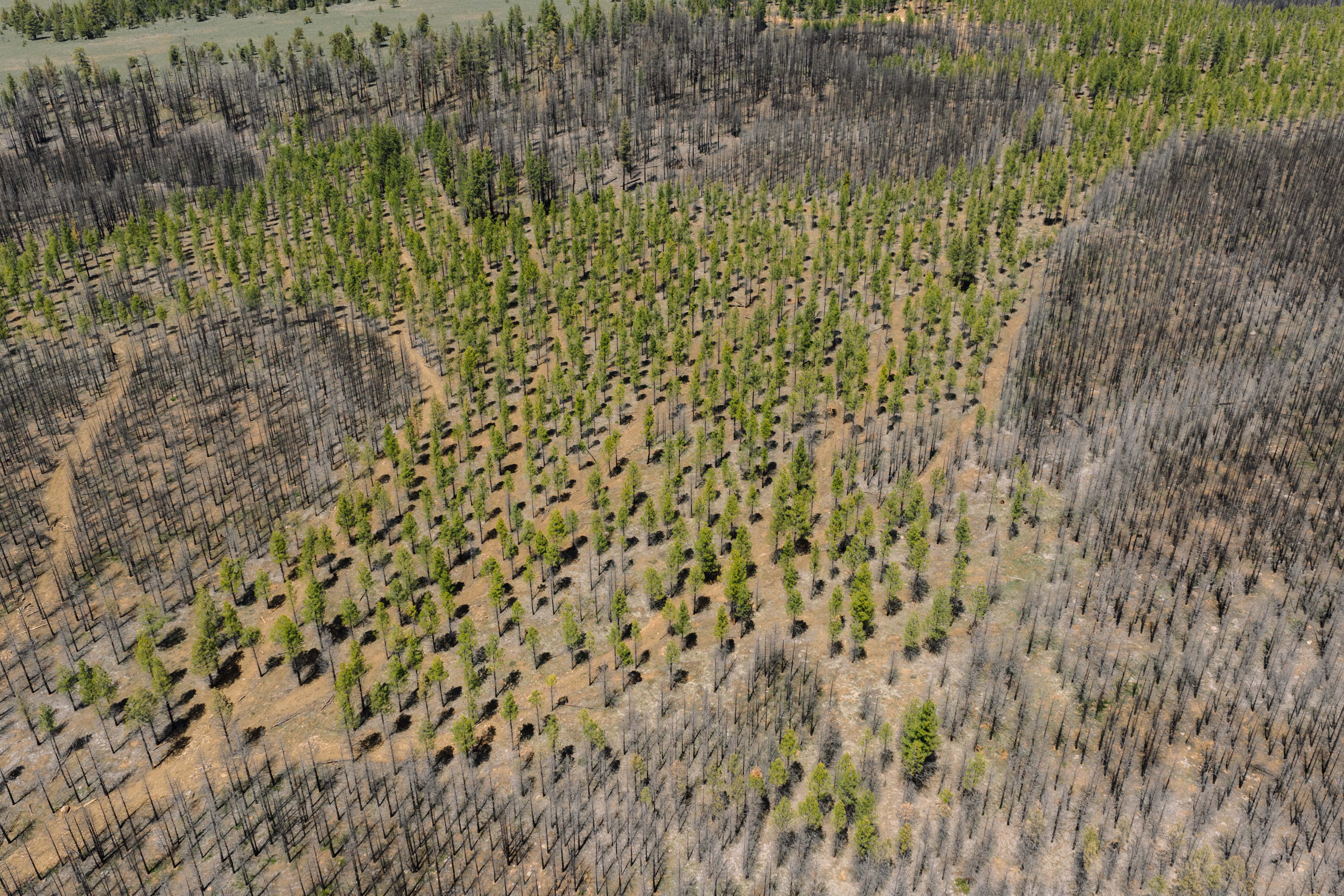
An acre of native tree seedlings have been planted in the Caldor Fire burn scar on the Eldorado National Forest to restore all majestic native species and seed in the future forest.
-
38.683460, -119.802380
(Tamarack Fire restoration area)
An acre of native tree seedlings have been planted in the Tamarack Fire to restore all majestic native species and seed in the future forest.
-
39.231863, -120.11761
(Kings Beach – western white pine restoration)
An acre of western white pine seedlings resistant to white pine blister rust have been planted in Kings Beach to restore this majestic native species and overall forest health.
-
39.311528, -120.406194
(Donner Summit – western white pine restoration)
View a map of all reforestation areas on Google Maps:
https://www.google.com/maps/d/u/2/edit?mid=1Ovb1JXLc9uqSf5-NSNoay5pchnTtwGc&usp=sharing
Lake Tahoe Reforestation Sites (2025)
-
-
 Read More
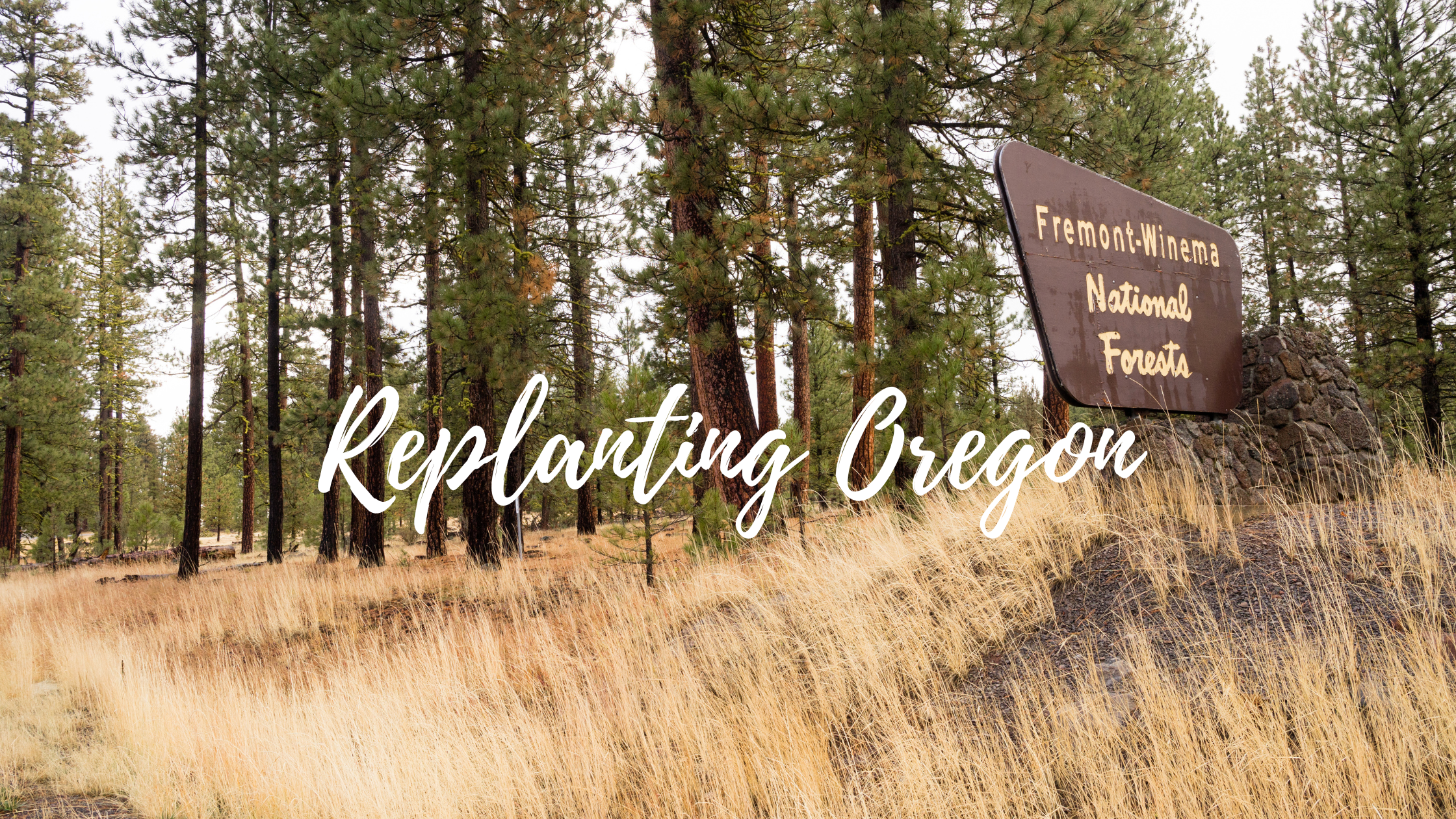
The Bootleg Fire: Replanting Oregon’s Fremont–Winema National Forest
The Bootleg Fire of 2021 was one of the largest wildfires in Oregon’s history, burning nearly 400,000 acres across the Fremont–Winema National Forest. Ignited by lightning during a period of extreme drought, the fire spread through dense conifer stands, dry brush, and drought-stressed forests—creating a megafire that transformed the landscape on a massive scale.
Even after the flames were extinguished, one truth remained: this forest will need years of care, new seedlings, and committed reforestation partners to fully recover.
Where the Bootleg Fire Burned
The fire ignited near Fuego Mountain on the Chiloquin Ranger District and rapidly spread across mixed conifer forests, lodgepole pine stands, and high-country meadows. Rural communities such as Beatty, Sycan Estates, Sprague River, and Chiloquin faced evacuations as shifting winds pushed flames toward homes and ranchlands.
The burn area also overlaps with the ancestral territory of the Klamath Tribes, affecting important ecological and cultural landscapes—especially the riparian corridors that support native fish species.
Why the Fire Became a Megafire
Several conditions combined to make the Bootleg Fire one of the most significant wildfires ever recorded in Oregon:
-
Severe drought and record heat dried fuels to critical levels
-
Strong winds and low humidity caused rapid fire spread
-
Dense, overstocked forests allowed flames to climb into the canopy
-
The fire generated pyrocumulus clouds and even its own lightning
More than 2,000 personnel worked to contain it, and full containment took over a month.
What the Fire Revealed
The aftermath of the Bootleg Fire highlighted two striking contrasts across the Fremont–Winema landscape:
Treated Forests Survived Better
In areas where the Forest Service and partners had completed thinning projects or prescribed burns, the fire burned at lower severity. These pockets—often called green islands—retained mature trees and provided safer zones for firefighters, underscoring how critical adequate Forest Service funding is for keeping our forests healthy and resilient.
Untreated Forests Burned Hotter
Where fuels were heavy or drought stress was extreme, the fire created large patches of high-severity burn, killing most standing trees and leaving little natural seed source for regeneration.
The Bootleg Fire has since become a case study in how active forest management can improve resilience in a warming, drying climate.
Recovery and Reforestation on the Fremont
Restoration work began immediately after the fire:
Natural Regeneration
Areas that experienced moderate burn are already showing signs of recovery, with seedlings, shrubs, and grasses returning as surviving trees drop new seed.
Active Reforestation
High-severity zones require intentional replanting with climate-tolerant, native species such as ponderosa pine, Douglas-fir, and lodgepole pine. Restoration partners are:
-
Collecting local seed
-
Growing millions of tree seedlings
-
Replanting priority zones with limited natural regeneration
-
Restoring riparian areas impacted by erosion and sediment
Long-Term Vision
Full recovery will take years, but these efforts will help stabilize soils, restore wildlife habitat, and rebuild the forest structure needed for future resilience.
Our Trees Planted on the Bootleg Fire Burn Scar
A Living Tribute is honored to support the restoration of Oregon's Klamath Falls Basin region following the Bootleg Fire.
In partnership with reforestation teams on the ground, we are planting native tree seedlings directly within the burn scar to help regenerate high-severity areas with limited natural recovery.
Our planting areas are located just west of Summer Lake and east of Yamsay Mountain, a landscape shaped by centuries of ecological change. You can explore these restoration sites in detail using the virtual map below:
https://www.google.com/maps/d/u/2/edit?mid=1nZb_Fysh-m9geufyIy3hQ3NbB59KC9A&usp=sharing

Tree Types Planted:
-
Lodgepole Pine
-
Ponderosa Pine
-
Western Larch
-
White Fir
How You Can Help Restore Oregon’s Forests
When you plant a tree in Oregon as a gift or living memorial through A Living Tribute, you are directly supporting ongoing restoration efforts in wildfire-affected areas—including the Bootleg Fire scar.
You can honor a loved one, celebrate a special occasion, or give a meaningful gift while helping new trees take root where they are needed most.
👉 Plant a Tree in Oregon:
https://shop.alivingtribute.org/products/plant-a-tree-oregon
A Living Tribute: Our Commitment to Wildfire Recovery
For more than a decade, A Living Tribute has helped families, friends, and communities plant memorial and tribute trees across North America. Many of our trees are planted in regions recovering from major wildfires, storms, and forest health challenges.
Our mission is simple:
Restore forests, honor lives, and help new trees take root for future generations.Thank you for being part of this recovery effort and for supporting the ongoing restoration of Oregon’s forests.
Replanting Oregon’s Fremont–Winema National Forest
-
-
 Read More
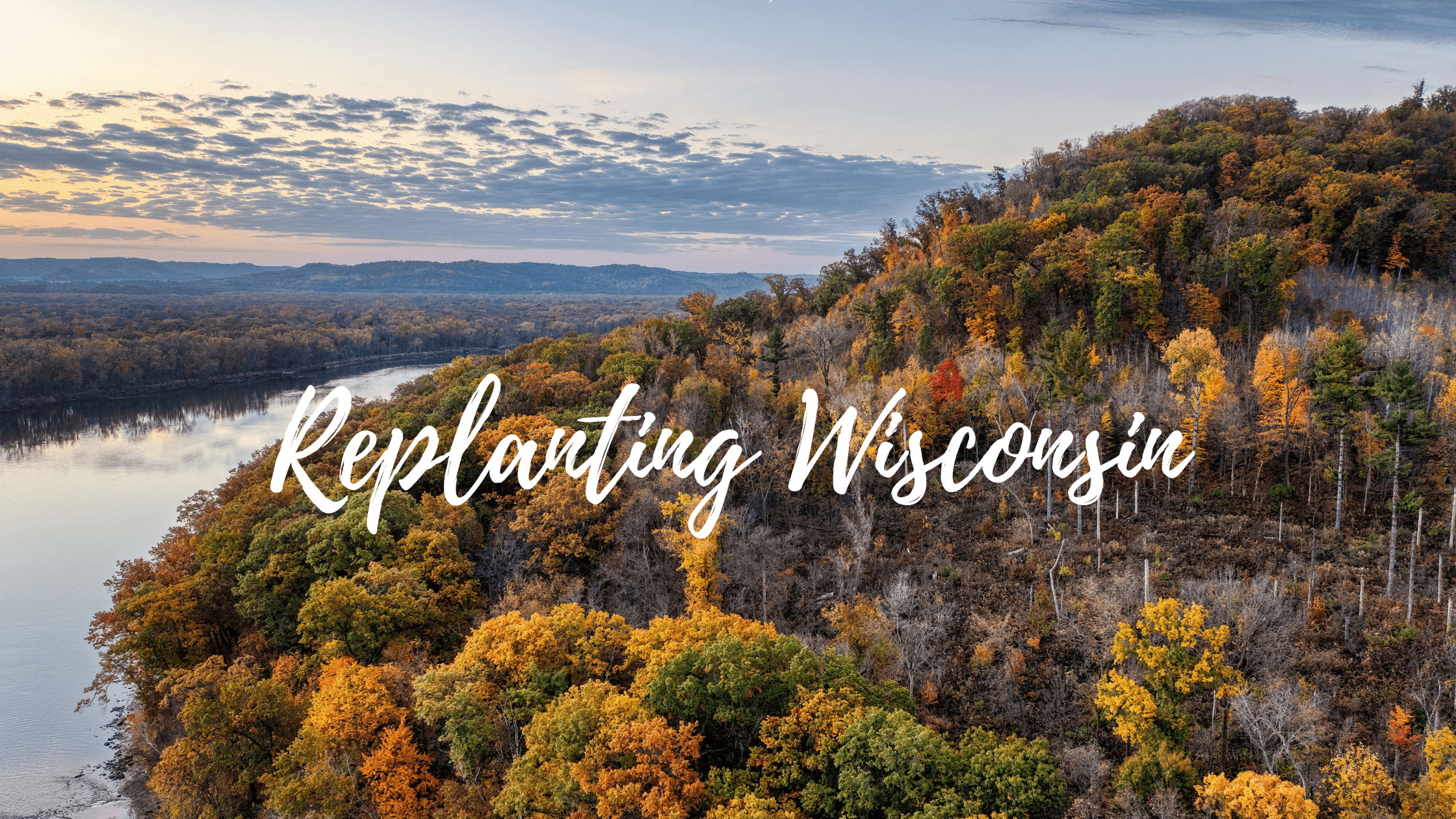
Restoring Wisconsin’s National Forests: White Pine, Red Oak, Hemlock & Tamarack Take Root
Wisconsin’s forest landscapes have gone through major changes over the last century. Historic logging, wildfires, invasive pests, and land-use changes left many areas in need of renewal. Today, reforestation efforts across Wisconsin’s National Forests — including the Chequamegon-Nicolet — are helping restore iconic tree species that once defined this region: eastern white pine, red oak, eastern hemlock, and tamarack.
By planting new trees in areas where forests were lost or damaged, foresters are rebuilding thriving ecosystems that will benefit people and wildlife for generations.
🌲 Bringing Back Eastern White Pine
White pine was once the dominant tree across northern Wisconsin — especially prized by early loggers for its tall, straight trunks. But massive timber harvests in the late 1800s and early 1900s drastically reduced white pine populations.
Reforestation projects are now working to re-establish white pine where it historically flourished. This fast-growing native species:
-
Provides excellent cover and winter shelter for wildlife
-
Stores large amounts of carbon as it matures
-
Helps rebuild multi-layered forest structure and long-term diversity
White pine seedlings planted today will grow into the towering giants Wisconsin’s forests were once known for.
🌲 Strengthening Forest Resilience with Eastern Hemlock
Eastern hemlock adds cool, shaded habitat and stabilizes streambanks — making it essential for healthy waterways and cold-water fisheries. But Wisconsin has seen steep declines in hemlock due to over-harvesting and the spread of hemlock woolly adelgid in other states.
Planting hemlock in suitable habitat supports:
-
Better water quality and more stable trout streams
-
Increased biodiversity in northern hardwood forests
-
Future seed sources that help rebuild the species’ range
Restoring hemlock helps preserve a uniquely northern forest environment rich in wildlife.
🌲 Restoring Wetlands with Tamarack
Tamarack (also known as American larch) is one of the few deciduous conifers — it turns golden in autumn and drops its needles in winter. Once widespread in northern bogs and wetlands, tamarack is now being replanted to offset losses from pests like the larch sawfly and changes in hydrology.
Why tamarack matters:
-
Supports marsh birds, beavers, and rare bog species
-
Stabilizes wetland soils and improves water storage
-
Adds resilience to habitats vulnerable to climate shifts
Replanting tamarack ensures Wisconsin’s wetlands continue to support rich ecosystems.
🌱 Why Reforestation Matters
Tree planting in National Forests helps ensure that:
✔ Forests damaged by harvest, storms, or pests recover quickly
✔ Wildlife habitat and food sources are restored
✔ More carbon is captured and stored in living forests
✔ Future generations can enjoy healthy woodlands and clean airEach new seedling nurtures long-term forest health while preserving Wisconsin’s natural heritage.
A Living Forest Legacy
The work being done today in Wisconsin’s National Forests ensures that iconic northern tree species — white pine, hemlock, and tamarack — continue to define the landscape for decades to come.
As these young seedlings grow into mature forests, they will protect wildlife, strengthen local ecosystems, and keep Wisconsin wild, green, and thriving.
Explore Wisconsin’s Living Reforestation Map
If you’d like to see where tree planting is actually happening on the ground, you can explore our interactive map of past and present reforestation locations across Wisconsin’s forests:
https://www.google.com/maps/d/u/2/edit?mid=1y-6CxtezVvxZro-2cH_T47IsMENWERk&usp=sharing
Zoom in to view specific project areas, follow along stream corridors and ridgelines, and get a real sense of how white pine, red oak, hemlock, and tamarack trees are being re-established across the landscape.

Restoring Wisconsin’s Forests: White Pine, Red Oak, Hemlock & Tamarack Take Root
-
-
 Read More
Restoring Florida's State Parks: Longleaf Pine Reforestation
Over the past century, Florida has seen a dramatic decline in one of its most iconic and ecologically important trees: the longleaf pine (Pinus palustris). Once spanning over 90 million acres across the Southeastern United States, longleaf pine ecosystems have dwindled to less than 5% of their original range—largely due to logging, land development, and fire suppression. But thanks to dedicated reforestation efforts, including restorative programs like "Plant-a-Pine" by Florida State Parks, the longleaf pine is making a slow but determined comeback.
Why Longleaf Pine Matters
Longleaf pine forests are some of the most biologically diverse ecosystems in North America. They provide critical habitat for a range of wildlife species, including:
-
The endangered red-cockaded woodpecker
-
Gopher tortoises, a keystone species that support over 300 other species through their burrows
-
Unique groundcover plants and wildflowers
Longleaf pines are also fire-adapted, meaning they rely on regular, low-intensity fires to thrive—fires that help reduce underbrush, recycle nutrients, and prevent more catastrophic wildfires.
Plant-a-Pine Program
Launched by the Florida State Parks Foundation in 2020, the Plant-a-Pine program offers visitors and supporters a chance to directly contribute to the restoration of longleaf pine ecosystems. Since 2021, A Living Tribute has been sponsoring the planting of longleaf pine seedlings in designated Florida state parks that are undergoing habitat restoration.
Some of the reforestation efforts have taken place in state parks such as:
-
Ichetucknee Springs State Park
-
Fort Cooper State Park
-
Mike Roess Gold Head Branch State Park
-
Lake Kissimmee State Park
-
Dunns Creek State Park
-
Alafia River State Park
-
Highlands Hammock State Park
-
Oscar Scherer State Park
-
Florida Caverns State Park
-
Ponce de Leon Springs State Park
-
Big Shoals State Park
-
Torreya State Park
- Three Rivers State Park
These native pine tree plantings not only support forest recovery, but also enhance trails, protect watersheds, and improve the overall visitor experience.
Past Tree Plantings
In 2020, A Living Tribute contributed to a large scale tree planting effort on the Goethe State Forest — a 53,587-acre protected forest on Florida's Gulf Coast. The land is named in honor of Mr. J.T. Goethe, who sold much of the property to the state in 1992 through the Conservation and Recreation Lands (CARL) program.
Goethe State Forest is cared for with long-term sustainability in mind. The forest supports a wide variety of wildlife, offers outdoor recreation opportunities for visitors, and continues to be restored through ongoing reforestation and habitat management efforts.
How the Tree Planting Works
Florida’s longleaf pine restoration begins with careful site selection and preparation. Forestry teams and park staff remove invasive species, clear dense undergrowth, and prepare the soil for planting. Longleaf pine seedlings are then hand or machine planted during the cooler months—typically between December and February—when conditions are ideal for root establishment.
After planting, the sites are monitored regularly. Prescribed burns may be introduced to mimic the natural fire cycles that longleaf ecosystems depend on. This management helps young pines grow stronger and supports the native flora and fauna that thrive in open, fire-maintained habitats.
While many of the reforestation projects we support take place in the spring, Florida is a little different. The ideal planting season there is from November through January, when cooler temperatures and consistent rainfall help young seedlings take root and grow strong. Planting during this mild, wetter weather gives the trees the best possible start.
A Living Tribute: Honor Someone with a Longleaf Pine
At A Living Tribute, we’re proud to support tree planting efforts in Florida and across the United States. When you plant a memorial tree through our platform, you help restore habitats like the longleaf pine forests of Florida—places that symbolize resilience, legacy, and renewal.
Each tree is planted in partnership with trusted reforestation organizations and state agencies, and a personalized tribute card is mailed to the recipient to commemorate the gift.
🌲 Plant a tree. Restore a forest. Honor a life.
Longleaf Pine Reforestation on Florida State Parks
-
-
 Read More
Restoring Michigan’s Pine Forests – One Seedling at a Time
Across Michigan, forests are quietly being rebuilt through terrestrial reforestation projects that focus on planting native tree species like red pine and jack pine. These hardy conifers are well-suited to Michigan’s sandy soils and northern climate, and they play an important role in restoring healthy forest ecosystems after logging, pests, or severe weather.
Michigan's Department of Natural Resources plants thousands of acres of new trees every year—mainly red pines—on land where older pine forests were harvested. By replanting right away, they help new forests grow quickly, keeping state lands green and healthy.
These growing forests also store carbon and create important homes for wildlife over the decades as the trees mature.
Why Red Pine and Jack Pine?
Red pine and jack pine are two of Michigan’s signature species:
-
Red pine grows tall and straight, forming classic “up-north” pine stands that help stabilize soils, filter water, and provide nesting and cover for wildlife.
-
Jack pine is a scrappy, sun-loving tree that thrives on dry, sandy sites. It’s also essential habitat for species like the Kirtland’s warbler, which depends on young jack pine forests to survive.
By planting a mix of these native seedlings, reforestation projects help:
-
Rebuild forest cover on damaged or depleted lands
-
Improve wildlife habitat and biodiversity
-
Protect watersheds and reduce erosion
-
Store carbon and support long-term climate resilience
See Where the Trees Are Being Planted
Explore where new pine forests are growing across both Upper and Lower Michigan with our interactive maps of both present and past (2020-2024) planting locations.
You can zoom in on each location, see the surrounding landscape, and discover how these reforestation projects fit into the broader forested regions of the state.
Higgins Lake, Michigan (44°31'27.7"N 84°49'12.0"W)McIntyre Landing, Michigan (44°40'28.4"N, -84°48'55.4"W)Grayling, Michigan (44°36'22.0"N, -84°43'03.3"W)Frederic, Michigan (44°47'54.1"N, -84°42'36.8"W)Wildwood, Michigan (44°42'50.8"N, -84°26'13.0"W)Sand Lake, Michigan - Brittle CE (44.42318, -83.66175)Mio, Michigan - Hughes RP (44.53326, -84.19563)Sand Lake, Michigan - Brittle CE (44.42669, -83.65842)Sand Lake, Michigan - Sunrise KW (44.41986, -83.72330)Sand Lake, Michigan - Trout Salvage (44.41334, -83.72154)Sand Lake, Michigan - Trout Salvage (44.41634, -83.72875)Sand Lake, Michigan - KC Salvage (44.43041, -83.62768)Glennie, Michigan - Turner Deer KW (44.47992, -83.66566)Kenneth, Michigan (46.0559619, -84.9373721)
https://www.google.com/maps?q=46.0559619,-84.9373721Kenneth, Michigan (46.099994, -84.8704495)
https://www.google.com/maps?q=46.099994,-84.8704495Brevort Lake (45.9831077, -84.9609626)
https://www.google.com/maps?q=45.9831077,-84.9609626Brevort Lake (45.9461046, -84.8953565)
https://www.google.com/maps?q=45.9461046,-84.8953565Round Lake (45.9477525, -84.8542457)
https://www.google.com/maps?q=45.9477525,-84.8542457Hay Lake, Michigan (45.9522097, -84.7725773)
https://www.google.com/maps?q=45.9522097,-84.7725773

Replanting Michigan: Red and Jack Pine Terrestrial Reforestation
-
-
 Read More
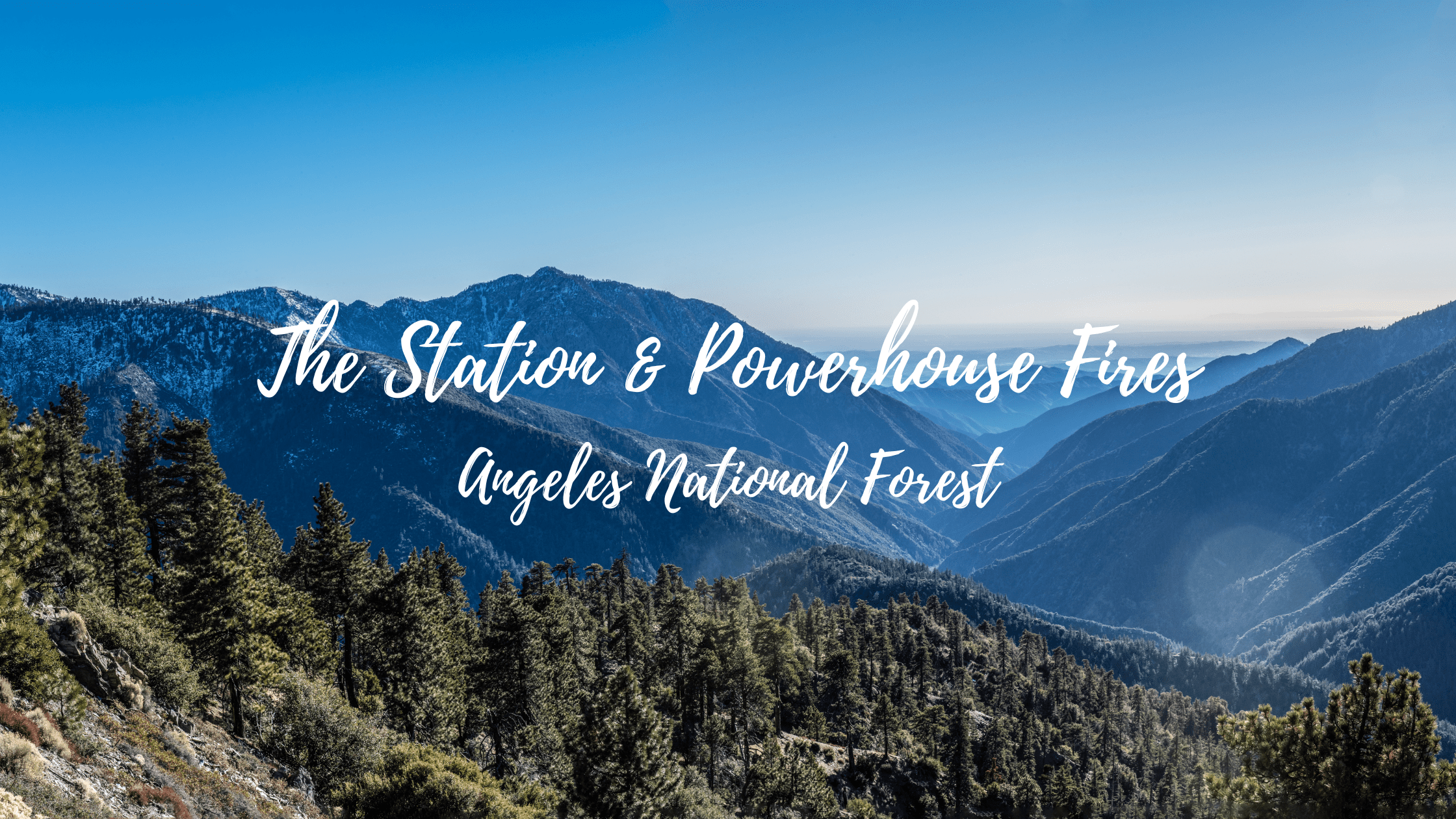
🌿 Restoring the Angeles After the Station and Powerhouse Fires
Rebuilding a Resilient Forest in Southern California
The Angeles National Forest and San Gabriel Mountains have long stood as some of Southern California’s most cherished natural spaces. But in recent years, these landscapes have endured devastating wildfires that reshaped their ecology and tested the resilience of the land.
Two of the most destructive — the Station Fire (2009) and the Powerhouse Fire (2013) — together scorched nearly 190,000 acres of forest. Recovery has taken more than a decade of coordinated reforestation, careful planning, and collaboration. New trees will take root primarily in the Charlton-Chilao and Lake Hughes areas—places where both natural stands and earlier tree plantations have been heavily impacted by not only fire, but drought and insects.
🔥 The Station Fire (2009)
Igniting on August 26, 2009, along the Angeles Crest Highway, the Station Fire quickly became one of the largest in Los Angeles County’s history, consuming over 160,000 acres of the Angeles National Forest — roughly a quarter of the entire forest. It destroyed 89 structures, claimed two firefighters’ lives, and left behind slopes vulnerable to erosion and invasive weeds.
Unlike many Southern California fires, the Station Fire’s rapid spread wasn’t driven by wind but by severe drought, low humidity, and accumulated fuels after decades of fire suppression. Entire high-elevation pine forests and lower mixed-conifer stands were lost.
In its wake, the Forest Service began replanting efforts in priority zones such as Charlton–Chilao, where natural regeneration was limited. The work includes removing invasive species, stabilizing watersheds, and reestablishing native conifers across thousands of acres of burned terrain. Today, projects in this area continue to restore habitats for wildlife and prevent soil loss in the Big Tujunga watershed — an area critical for the region’s water supply and biodiversity.
🔥 The Powerhouse Fire (2013)
Four years later, the Powerhouse Fire ignited on May 30, 2013, near Lake Hughes, burning through 30,274 acres of rugged terrain before containment on June 8. Investigations traced the ignition to electrical equipment failure. The fire destroyed 53 structures and deforested roughly 10,000 acres of woodland, where more than half the mature trees were lost.
Reforestation efforts like the Sawmill–Liebre and Powerhouse Fire Restoration Projects are replanting native tree species across burned slopes and canyons to rebuild forest structure and watershed health. These efforts aim for 75–100 trees per acre surviving after five years — a benchmark for successful forest recovery in challenging post-fire environments.
🌱 What’s Being Planted
Current reforestation across the Angeles National Forest includes about 61,750 tree seedlings planted over 640 acres, focusing on Charlton–Chilao and Lake Hughes — both key recovery areas from the Station and Powerhouse burn scars.
Tree seedlings are selected for resilience to drought, elevation, and fire stress. The seedling mix includes:
-
Coulter Pine (Pinus coulteri) – drought-tolerant and deep-rooted, ideal for steep terrain
-
Jeffrey Pine (Pinus jeffreyi) – adapted to higher elevations, with aromatic bark
-
Ponderosa Pine (Pinus ponderosa) – fast-growing and ecologically foundational
-
Sugar Pine (Pinus lambertiana) – vital for biodiversity and forest canopy structure
-
Bigcone Douglas-fir (Pseudotsuga macrocarpa) – a Southern California native critical for slope stability and wildlife habitat
These tree plantings are monitored for survival rates and complemented by weeding, invasive control, and erosion protection, ensuring each tree has the best chance to thrive.

🌄 Healing the Land, One Tree at a Time
Reforestation is a long-term process — it can take decades before planted areas resemble mature forests again. Yet each sapling represents resilience: stabilizing soil, restoring habitat, capturing carbon, and laying the foundation for a living forest that future generations can enjoy.
The Angeles National Forest’s ongoing replanting work stands as a model for climate-adaptive restoration in California’s fire-prone landscapes. Through partnerships and public support, this once-charred terrain is steadily returning to life — tree by tree.

🌿 Help Restore California Forests
Every tribute tree funds the planting of a native seedling in California’s National Forests — including the Angeles National Forest, where the Station and Powerhouse restoration continues today. Your tree helps rebuild habitats, restore natural beauty, and leave a lasting legacy of renewal.
👉 Plant a Tribute Tree in California
Together, we’re bringing life back to California forests like the Angeles — one tree, one acre, and one legacy at a time.
Rebuilding California Forests: Native Tree Planting in the San Gabriel Mountains
-
-
 Read More
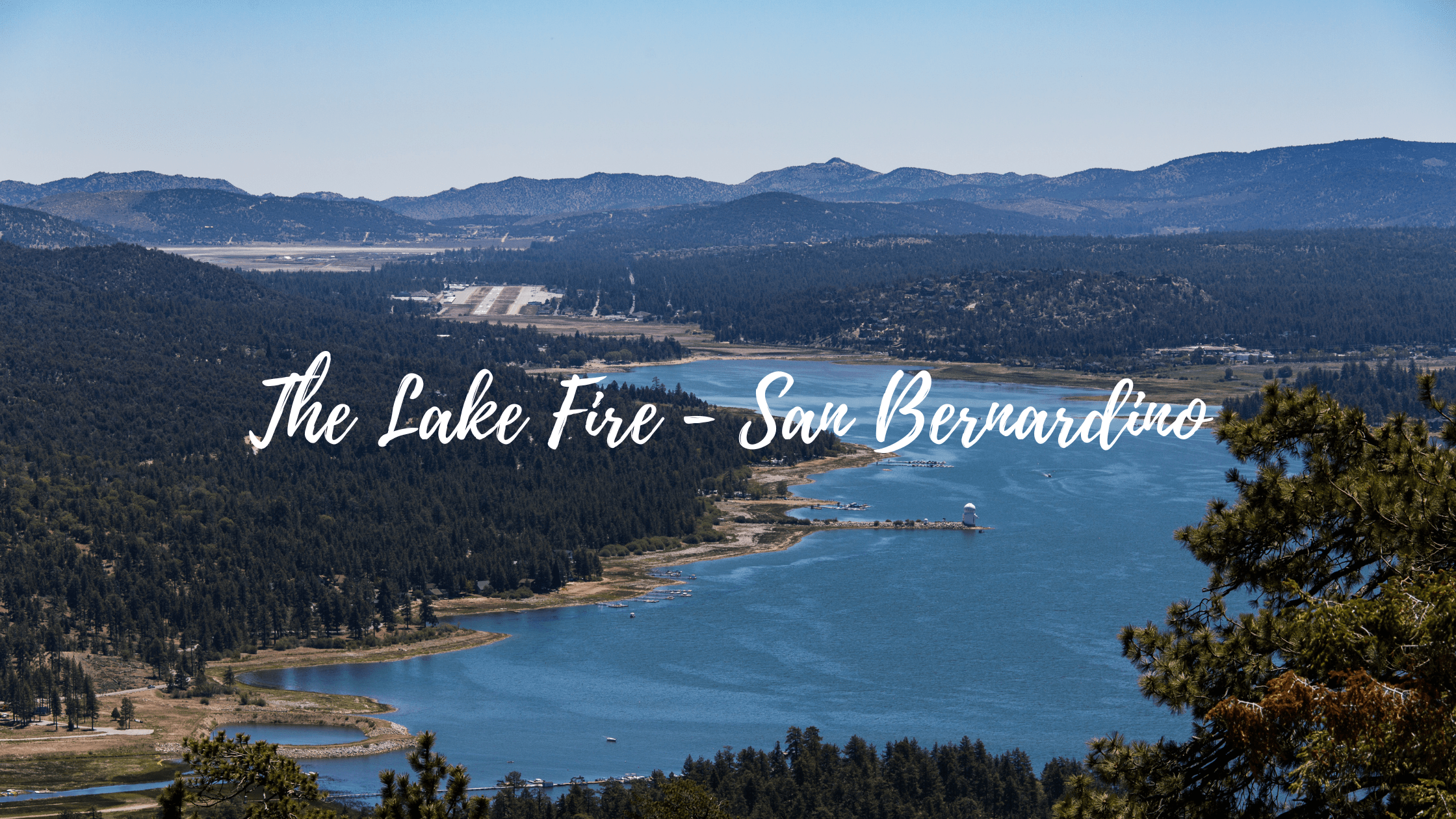
Lake Fire Reforestation: New Life in the San Bernardino Mountains 🌲
In this edition of our reforestation spotlight series, we look back at the Lake Fire Reforestation Project on the San Bernardino National Forest — a multi-year effort that brought new growth to a landscape forever changed by wildfire.

A Forest Transformed
In the summer of 2015, a massive wildfire called the Lake Fire swept through the San Bernardino Mountains near Big Bear Lake, California. The blaze burned more than 31,000 acres of forest, including popular recreation spots around Barton Flats, Seven Oaks, and Onyx Summit.
The fire left behind steep, rocky slopes and wide open hillsides where almost every tree had been lost. In some of these areas, the forest couldn’t grow back naturally — so reforestation efforts began to bring new life to this beloved mountain region.
Replanting Hope
Beginning in 2017, crews and volunteers returned to the burn area to plant thousands of young trees. These new seedlings — mostly native pines and firs — were carefully planted on the hillsides that needed the most help, especially where mature trees had been completely destroyed and no natural seed sources remained.
Over time, these small trees have taken root and begun to transform the once-blackened slopes back into living forest. What was once a stark, gray landscape is now dotted with green — a visible reminder that nature can heal with a little help.
https://earth.google.com/earth/d/1RSYXKjbmfbqvUjr_eLQ7MKxT3ocJYCm-?usp=sharing
Where the Trees Were Planted
The Lake Fire Reforestation Project took place on the San Bernardino National Forest, primarily in the high-elevation areas between Barton Flats and Onyx Summit, south of Big Bear Lake.
Thousands of seedlings were planted in sections of the burn area that showed the slowest signs of natural recovery. The project restored forest cover along mountain ridges and recreation corridors that are home to camping, hiking, and wildlife viewing — places that many Southern Californians know and love.
These efforts were made possible through the collaboration of multiple partners and sponsors who came together to support the renewal of this cherished forest.
Click here to view the planting units on Google Earth:

Why Reforestation Matters Here
Replanting after a fire helps the forest recover faster and protects the mountain environment in several ways:
-
Restores wildlife habitat for deer, birds, and other native species
-
Prevents soil erosion and protects clean mountain streams
-
Brings shade and beauty back to hiking areas and scenic drives
-
Supports long-term climate resilience through healthy, growing forests
A Living Legacy
Every tree that we are able to contribute to reforestation on California's forests represents more than a seedling — it’s a living tribute.
Each tree helps bring shade, clean air, and life back to these mountains, turning loss into renewal and remembrance into restoration.
Together, supporters, sponsors, and local partners have helped landscapes such as this one begin a new chapter of growth.
To learn more about our ongoing planting efforts and current restoration projects, visit A Living Tribute 🌿
Lake Fire Reforestation: New Life in the San Bernardino Mountains
-
-
 Read More
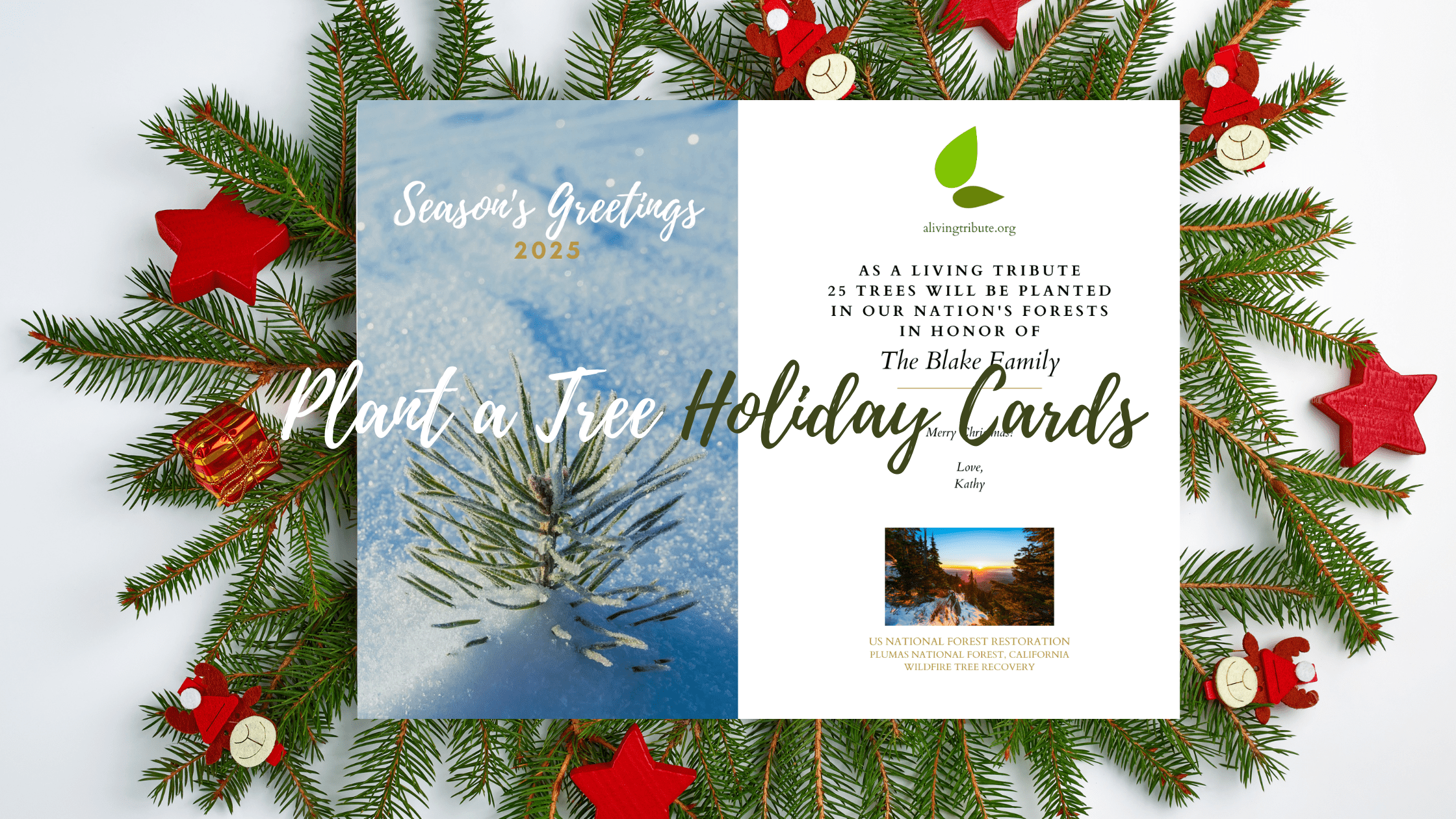
A Gift That Grows: Plant a Tree Holiday Card 🌲✨
Rethinking Holiday Giving
Every holiday season, we send cards, wrap gifts, and exchange tokens of love and gratitude. But so often, those items end up forgotten in drawers, recycling bins, or landfills. In a world where sustainability matters more than ever, many of us are searching for ways to make our giving more meaningful.
That’s why the Plant a Tree Holiday Card is so special. It’s more than just a holiday greeting — it’s a way to send love while restoring forests, providing wildlife habitat, and leaving a lasting legacy. Instead of giving something disposable, you’re giving a living tribute that grows stronger every year.

What Is the Plant a Tree Holiday Card?
The Plant a Tree Holiday Card combines the tradition of sending a holiday card with the impact of planting trees.
How it works:
-
Choose your planting site – Pick a U.S. state or forest that needs reforestation.
-
Select how many trees to plant – From a single tree to a grove.
-
Personalize the card – Add your recipient’s name and a heartfelt holiday message.
-
We take care of the rest – Your card is printed on FSC-certified cardstock and mailed directly, while your trees are planted in forests recovering from wildfires, storms, or deforestation.
Why This Gift Matters
🌿 A gift that grows – Unlike standard holiday cards, this one represents a living legacy.
💌 Personal & meaningful – Each card is personalized with your message.
🌎 Eco-friendly – Printed on FSC-certified, acid-free cardstock with minimal waste.
🐾 Supports wildlife – New trees restore critical habitat.
🔥 Restores damaged forests – Many plantings focus on wildfire recovery and reforestation.Trees planted today will continue to absorb carbon dioxide, protect soil and water, and rebuild ecosystems for decades to come.
Locations You Can Support
When you send a Plant a Tree Holiday Card, you also choose where your tree is planted. Your gift directly supports reforestation projects across the U.S., including:
-
🌲 California – Restoring fire-damaged forests in the Sierra Nevada and beyond.
-
🌲 Oregon & Washington – Replanting areas impacted by wildfires like the Bootleg and Eagle Creek fires.
-
🌲 Colorado & Wyoming – Supporting high-elevation forests and wildlife corridors.
-
🌲 Florida & the Southeast – Planting longleaf pine to restore native ecosystems.
-
🌲 Great Lakes Region – Expanding red spruce, white pine, and hardwood forests in Michigan, Minnesota, and Wisconsin.
-
🌲 Northeast – Strengthening forests in New York, New England, and the Appalachian region.
Every planting project is carefully selected to restore native species, protect biodiversity, and create healthier forests for the future.

The Perfect Holiday Gesture
Whether you’re sending greetings to family, honoring a loved one, or thanking business clients, the Plant a Tree Holiday Card is a thoughtful alternative to traditional holiday gifts.
It’s a gift that says: I care about you, and I care about the world we share.

Make This Holiday Season Greener
This holiday, trade wrapping paper and plastic for roots and branches. Give your loved ones a gift that truly grows — and one they’ll remember long after the season ends.
🎄 Ready to plant hope, joy, and new beginnings?
👉 Send a Plant a Tree Holiday CardPlant-a-Tree Holiday Cards: A Living Tribute's Holiday Gift Guide
-
-
 Read More
Reforesting Colorado’s Grand Mesa: North Zone Tree Planting in 2024 🌲
High atop western Colorado lies the Grand Mesa, the largest flat-topped mountain in the world. Known for its lakes, forests, and sweeping views, it’s also a place where forests have faced challenges in recent years. Warmer temperatures, insect outbreaks, and wildfires have left behind open gaps where trees once thrived.
In 2024, new life returned to the North Zone of the Grand Mesa through tree planting and reforestation efforts. Thanks to caring supporters, thousands of young seedlings are taking root on this landscape, helping to heal the forest and ensure its beauty lasts for generations to come.

What Happened in 2024
-
New seedlings were planted in priority areas where natural regrowth wasn’t enough on its own.
-
High-elevation species like Engelmann spruce were chosen for their ability to thrive in the cool mountain climate.
-
Careful attention was given to planting sites—such as shady spots and areas with natural moisture—so the young trees have the best chance to grow strong.
Every tree seedling planted brings this reforestation project closer to restoring healthy, diverse forests that can withstand future challenges.
Click here to view the priority planting areas on Google Earth:

Why It Matters
The North Zone of the Grand Mesa is a place where forests provide clean water, wildlife habitat, recreation, and beauty for millions of visitors each year. Planting trees here isn’t just about filling empty spaces—it’s about:
-
Restoring balance to the ecosystem
-
Protecting streams and watersheds
-
Creating future shade and shelter for wildlife
-
Leaving a living legacy for the next generation
A Gift That Lasts Beyond Today
When you choose to plant trees with us, your gift becomes part of this larger story of renewal in Western Colorado. Each tree planted in honor of a loved one, a friend, or a special occasion helps restore a mountain that means so much to Colorado's forests and beyond.
It’s more than just a card or a certificate—it’s a living, growing legacy rooted in one of the country’s most unique and beautiful landscapes.
Looking Ahead
The work doesn’t stop in one season. Future years will bring more seedlings, more areas restored, and more opportunities to rebuild healthy, resilient forests on the Grand Mesa and adjacent forests such as the Gunnison. With continued support, we’ll watch this landscape transform as today’s saplings grow into tomorrow’s towering trees.
🌿 Ready to give back to nature?
Plant a tree in honor of someone today, and let your gift grow on a forest in need for decades to come.Western Colorado Reforestation: Tree Planting on the Grand Mesa
-